
Scam Checker for Websites, Emails, Texts, and Online Offers
Check for scams on websites, emails, messages, and online deals
Some fake sites copy the look of well-known brands—the same logo, the same layout, the same checkout page—and then push you to pay before you stop thinking. This scam detector helps you check suspicious websites, emails, texts, phone calls, and online offers before you click, pay, or share personal information.
A reliable scam detection tool can help users spot red flags before they respond to communications or click on links, make purchases, or enter personal info. Instead of guessing, consumers need to be able to spot red flags such as pressure tactics, strange requests, no contact information, ridiculous claims, and suspicious website activity. For everyday users, it makes web safety simpler, swifter, and more convenient.
Why a Scam Checker Matters in Everyday Online Life
Every day, people face digital risks, even when they are doing everyday things. A simple shopping trip, a delivery update, a banking alert, or a job application can quickly turn into a scam. Many people don’t need a long lesson on cybersecurity. They need a scam checker they can trust to help them determine whether something is safe.
And here is where a good fraud checker comes in handy. It helps real people in their everyday lives. It helps them figure out if something is suspicious before a small mistake costs them money, steals their identity, or causes long-term stress. The goal is not to scare people. The goal is to provide them more confidence so they can make better choices
A good scam checker should be simple to use
The convoluted terminology means that many security products just don’t work. People who are already confused or frightened don’t want to have to interpret technical reports. Consumers seek a straightforward explanation, a clear risk consequence, and immediate actionable solutions. An excellent scam finder would be user-friendly from the outset.
It should tell you what’s wrong, why it matters, and what to do next. People shouldn’t have to ask. If it substitutes confusing warning signs with straightforward, accessible advice, it should be less perplexing.
A Scam Checker Helps People Slow Down Before Acting
Scam Finder for Websites You Can't Trust
Scam Checker for Emails That Look Legitimate
Fraudulent emails are much better now. Many people now copy professional layouts, try to look like well-known brands, and use language that sounds polished enough to fool careful people. They might ask you to confirm your payment, verify your account, reset your password, or do an urgent identity check. People can use a reliable scam detector to look over these emails before they respond.
Text Message and Mobile Alert Scam Checker
Social Media DM Scam Detection
Fake Payment Request Scam Detector
Scam Detection for OTP, Password, and Account Access
There are some scammers trying to get access to the accounts. A message could ask for a password, a one-time code, permission to log in, remote screen control, or confirmation of security. People often hide these requests as support steps, banking checks, or actions to recover their accounts. A reputable scam checker should flag these requests as serious warning signs. No legitimate company asks for your password or one-time code through a chat message, email, or unsolicited call.
Businesses generally refrain from soliciting passwords or one-time passcodes in informal correspondence, according to a trustworthy scam detector. The risk level increases significantly as soon as a sender requests account information or direct access. People are more likely to stay calm and do things safely when they know what’s going on.
Job Offer and Recruitment Fraud Monitor
Online Shopping Scam Checker
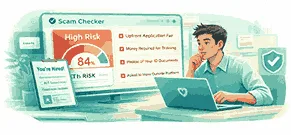
Marketplace Fraud Detection Tool
Crypto and Investment Offer Fraud Detection
Scam Tracker for Romance and Emotional Manipulation Scams
Scam Detection for Older and Vulnerable People
Freelancer and Small Business Scam Buster
Scam Checker Should Explain Risk, Not Just Show a Score
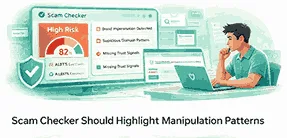
Scam detectors should spot manipulation tricks
You can use our TextRefine tool to clean up copied scam text before you report it.
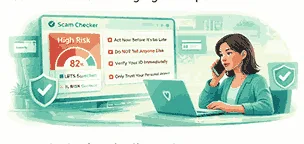
The scam checker should show missing trust signals
It’s not always about spotting something suspicious—sometimes it’s about noticing what isn’t there. A trustworthy message gives you something to check. A trustworthy website shows contact details, clear policies, and consistent branding. When those things are missing, and someone is still pushing you to act, that gap between the claim and the evidence is usually the warning sign itself. A reliable scam checker should point out these holes.
A well-made risk detection tool helps people understand that fraud is often easy to spot when expected trust signals are missing. That could mean that the brand isn’t consistent, there isn’t a clear way to get help, the urgency is strange, or the payment method isn’t normal. Knowing what is missing is often just as important as knowing what is there.
A scam checker should guide you clearly
Before Clicks, Payments, and Responses, Use a Scam Checker
Scam Checker Builds Better Digital Habits
Across platforms, scam checking encourages safer decisions
Scam Checker Helps Users feel safer online
Scam Detector Can Help You Avoid Losing Money
Make scam checks a routine part of online safety
Most people are aware of digital risk, which is why they use antivirus software, spam filters, and password managers. Every day, a scam checker should be just as important for staying safe online. It makes people think about what they read, what they click, and what they’re being asked to do.
Modern scam checkers are compatible with the majority of internet users’ browsing habits. It is beneficial when conducting transactions, engaging in conversation, conducting banking transactions, browsing the internet, or employing an individual. Because it fits in the real world, it’s a useful safety layer instead of a niche security feature.
How Does Scam Checker Work?
- What protocol is the website employing, HTTPS or another?
- Is the URL unusual?
- The domain name is not confusing, misleading, or designed to look like a trusted brand.
- Are common scam keywords present in the URL?
- There are many signs of trust.
General Online Safety
Global Scam Trends & Major Frauds
Pakistan Reporting Guidance
Scam Awareness & Prevention
Frequently Asked Questions about Scam Checker
How does a scam checker work?
Who should check for scams?
Is it possible for a scam checker to find shady websites?
Can a scam checker help with scam emails?
Can a scam checker look at DMs and text messages?
Does a scam checker ensure something is safe?
Why do scammers use the word “urgent”?
What should I do if a scam checker flags a high risk?
Scam Checker: Make Better, Safer Choices Online
Note
This tool provides a risk estimate based on the information entered. It cannot guarantee that any website, email, or message is completely safe. For serious fraud cases, contact your bank, the platform involved, or your local cybercrime authority directly.